






When choosing cable trays, focus on these 3 key points, and I’ll help you make it clear and understandable:
The core three-step approach: Choose wisely and avoid pitfalls:
First, determine where “home” is located? – The environment determines the materials!
Common indoor/dry environment: Galvanized steel, the king of cost-effectiveness, sufficient for the job.
Damp/with heavy moisture/chemical plants/coastal areas: Hot-dip galvanized steel, powder-coated steel, fiberglass reinforced plastic or aluminum alloy, with full anti-corrosion capabilities.
Afraid of electromagnetic interference (for example, next to a large motor)?: Enclosed trough type or aluminum alloy cable tray, with built-in shielding buffer.
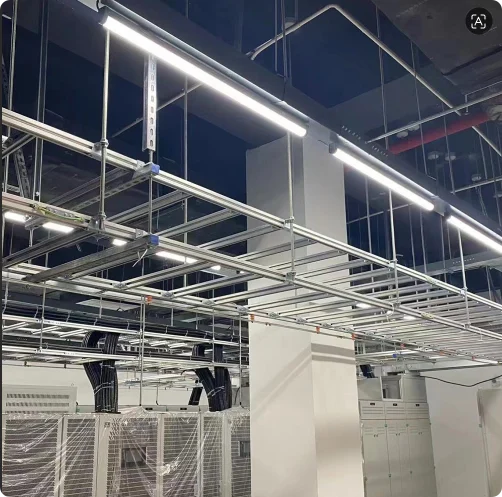
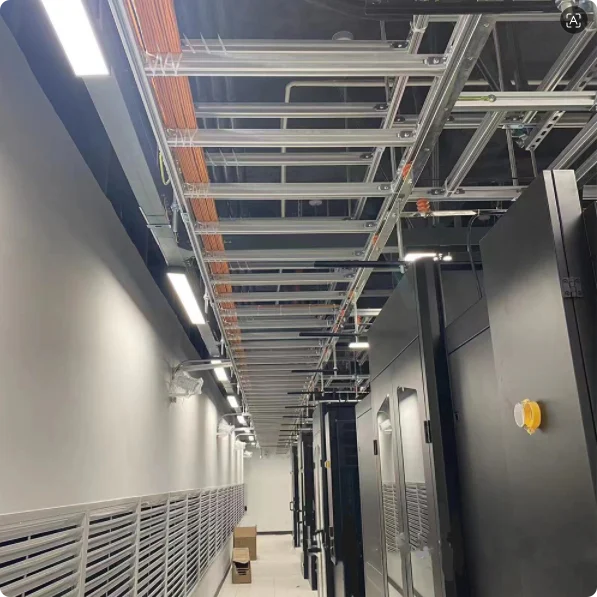
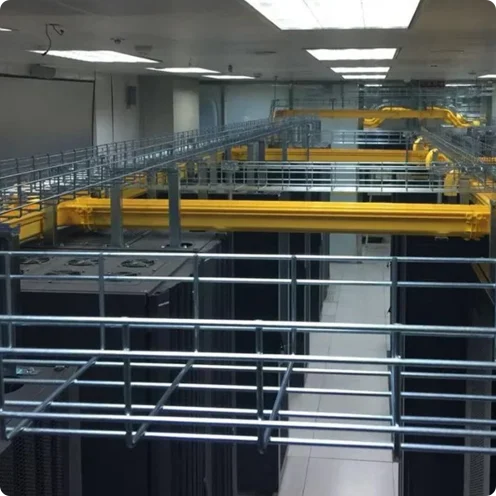
Want lightweight/with high appearance standards (such as data centers)?: Aluminum alloy or grid type is a good choice.
Now consider who the “occupants” are? – Determine the type of cables!
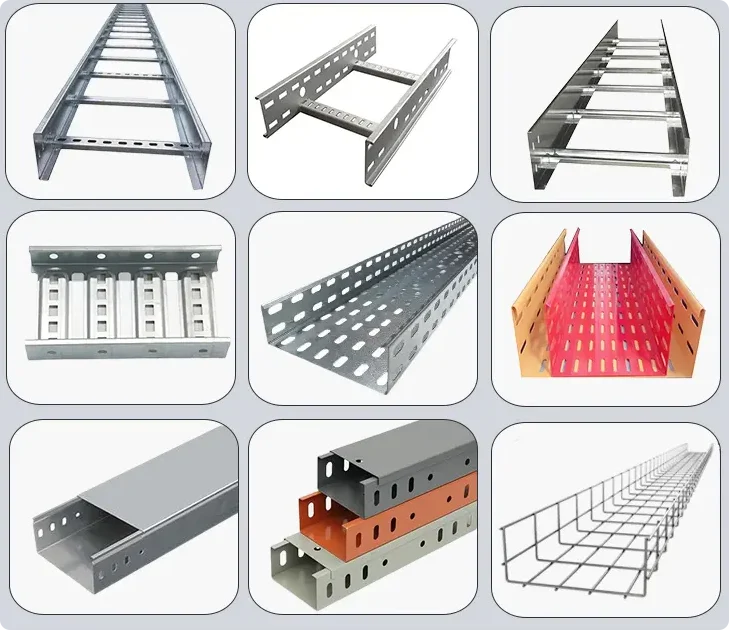
Mainly thick power cables: Choose the stepped type. It has excellent ventilation and heat dissipation, and is also convenient for maintenance.
Mixing of AC and DC power supply / General scenarios: Tray type is the most balanced. It takes into account both protection and heat dissipation, and has strong applicability.
In dusty environments / outdoors / with high shielding requirements / with many weak current lines: Choose the slot type (enclosed type) blindly. It provides the most thorough protection for the cables.
There are many patch cords in the computer room / Need to flexibly add or remove cables: Grid type. Lightweight and transparent. Changing the cables is extremely convenient.
Finally, how big is the “house”? – Size and safety are the bottom line!
Don’t overfill! The cable should occupy no more than 40%-50% of the cross-sectional area of the cable tray. Leave some space for heat dissipation and future line addition (strongly recommend leaving 20% of space!).
The safety red line must not be crossed!
Grounding must be done! The entire cable tray should be connected as one, reliably grounded to ensure safety and prevent electric shock.
Wall and floor penetrations must be sealed! Use fireproof mud/fireproof bags to tightly seal them, and the fire prevention zone must not be breached.
My sincere advice:
Don’t just seek low cost! Inferior cable trays rust quickly and are prone to collapse. Later maintenance and line replacement can drive you crazy, and the safety risk is even greater. The material and thickness are hard indicators, don’t compromise.
You set the requirements, and I’ll offer my advice! When it comes to choosing the cable tray, we need to ensure it can securely hold your cables.